logo
Zhuzhou Sanxin Cemented Carbide Manufacturing Co., Ltd

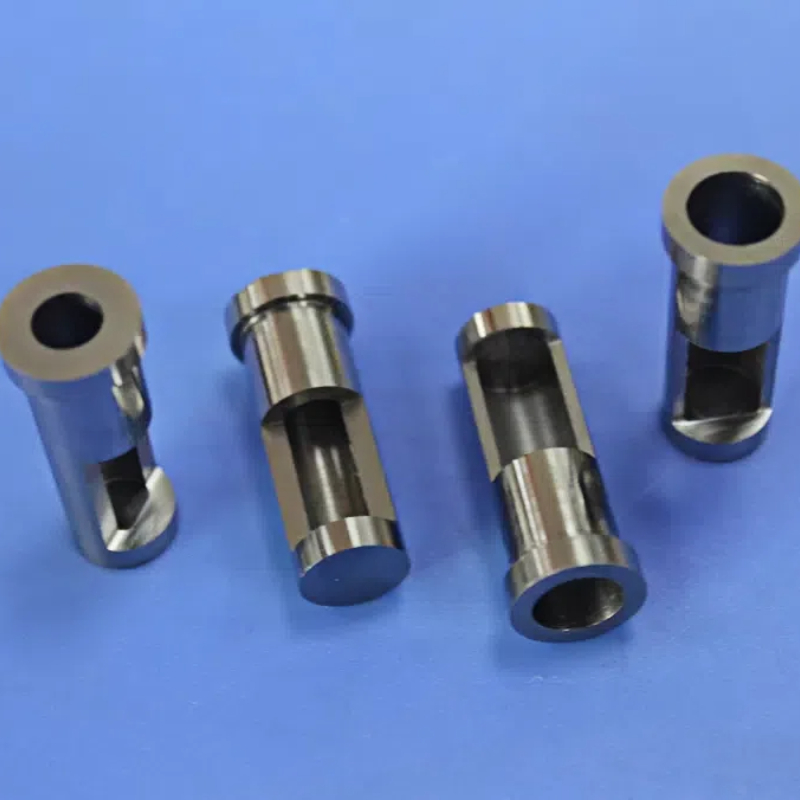
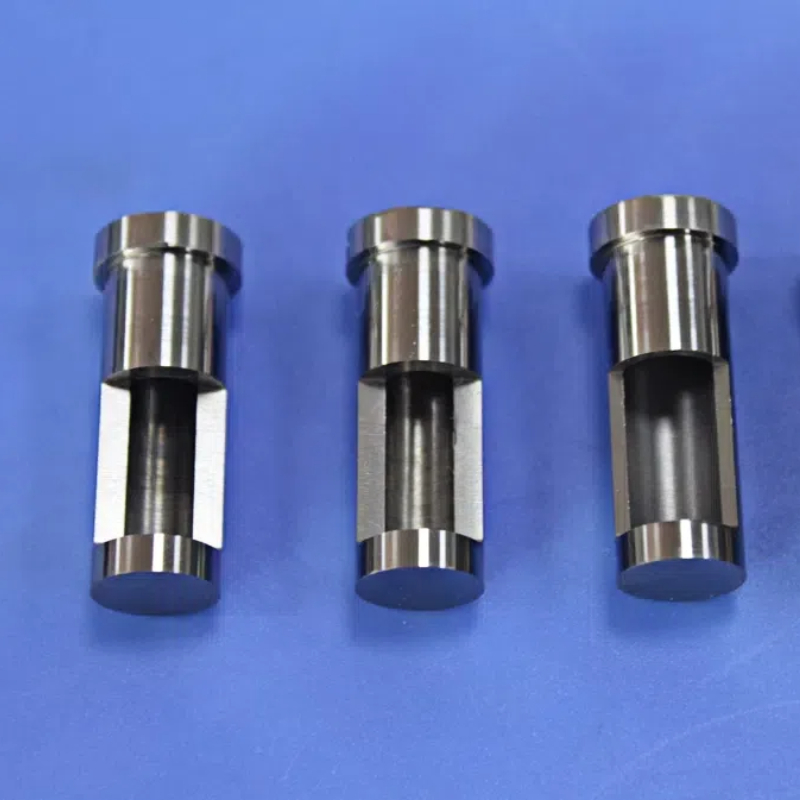
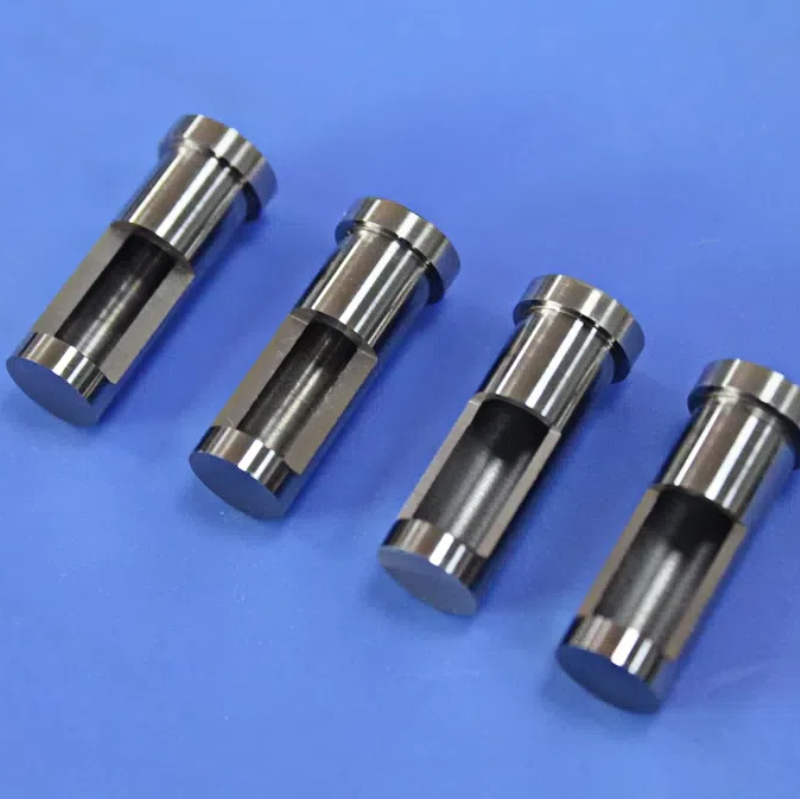
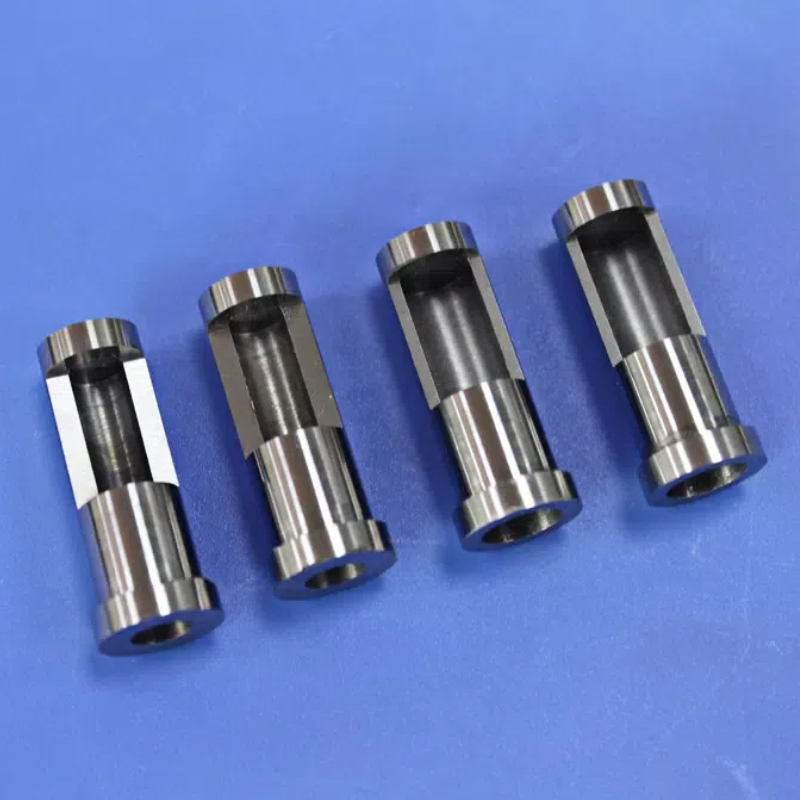
High-Temperature Strength Tungsten Molybdenum Alloy Tube with Low Vapor Pressure and Custom Diameters for Extreme Environments

Datos del producto:
Lugar de origen: Porcelana
Nombre de la marca: Sanxin
Certificación: ISO
Número de modelo: SX1313
Pago y Envío Términos:
Cantidad de orden mínima: 2
Tiempo de entrega: 5-30 días
Condiciones de pago: T/T, L/C, Unión Occidental
  • Información detallada
  • Descripción de producto

Información detallada

Nombre: Partes de aleación de molibdeno Servicio: OEM y ODM
Superficie: En forma sinterizada Personalización: Disponible según especificaciones del cliente
Precisión del perfil: ±0,001 mm Acabado superficial: Pulido o Rectificado
Método de procesamiento: El cortar, pulido, puliendo Densidad: 14,5-15,0 g/cm³
tipo de producto: Herramienta industrial Vida útil: Super duradero
Categorías: Aleación de molibdeno de tungsteno

Descripción de producto

Tungsten Molybdenum Alloy Tube High-Temperature W-Mo Pipe for Furnace & Aerospace
Product Overview

Tungsten-molybdenum (W-Mo) alloy tubes combine the exceptional high-temperature strength of tungsten with the improved workability and lower density of molybdenum. These seamless or welded tubes are designed for service in extreme thermal environments where conventional refractory metals and superalloys fail.

Our W-Mo alloy tubes are manufactured via powder metallurgy, vacuum sintering, and precision machining. The tungsten content typically ranges from 50% to 90%, allowing tailored properties for specific applications—higher tungsten content maximizes high-temperature strength and creep resistance, while higher molybdenum content improves ductility and machinability.

Key Performance Advantages
  • High Melting Point (2,600-3,400°C): Suitable for ultra-high-temperature vacuum or protective atmosphere furnaces
  • Excellent High-Temperature Strength: Maintain structural integrity under load at temperatures where nickel-based superalloys soften significantly
  • Low Vapor Pressure: Minimizes evaporation and contamination in high-vacuum or sensitive crystal growth environments
  • Good Thermal Conductivity: Efficient heat transfer for thermal management applications
  • Enhanced Workability: Compared to pure tungsten, reduces ductile-to-brittle transition temperature for easier machining and forming
  • Corrosion Resistance: Resists attack by many molten metals, glass, and ceramics
  • Low Thermal Expansion Coefficient: Dimensional stability during thermal cycling (approximately 4.5-5.5 × 10⁻⁶/K)
Key Applications & Industries

High-Temperature Vacuum Furnaces: Heating element support tubes, heat shield support posts, thermocouple protection sheaths

Sapphire Crystal Growth & LED Manufacturing: Crucible support tubes, gas distribution tubes for inert gas introduction

Aerospace & Defense: Rocket nozzle liners, throat inserts, hypersonic vehicle leading edge components

Nuclear & Medical: Nuclear fuel cladding for research reactors, collimator tubes for medical accelerators

Semiconductor & Electronics: Ion implantation components, sputtering target backing tubes

Glass & Ceramic Manufacturing: Glass melt electrodes, stirrers, thermowell protection tubes

Comparison with Pure Tungsten & Pure Molybdenum Tubes
Feature W-Mo Alloy Tube Pure Tungsten Tube Pure Molybdenum Tube
High-Temperature Strength Very High (tunable) Highest Moderate
Recrystallization Temperature 1,200-1,500°C ~1,600°C ~1,100°C
Ductility / Machinability Good (better than pure W) Poor (brittle, difficult) Excellent
Density 12.5-17.0 g/cm³ (tunable) 19.3 g/cm³ 10.2 g/cm³
Creep Resistance (high temp) Excellent (tungsten-dominated) Best Moderate
Cost Moderate (between W and Mo) Highest Lowest
Typical Operating Temp Range Up to 2,200°C (vacuum/inert) Up to 2,500°C Up to 1,800°C
Primary Advantage Balance of strength, workability, and cost Highest melting point and density Best machinability and lowest density
Frequently Asked Questions
Q1: What is the maximum operating temperature for a W-30Mo alloy tube?

In vacuum or reducing atmosphere (hydrogen), W-30Mo tubes can operate continuously at temperatures up to 1,800-2,000°C. Short-term exposure up to 2,200°C is possible. The exact maximum depends on applied stress, atmosphere, and required service life.

Q2: Are these tubes suitable for oxidizing atmospheres?

No. Tungsten and molybdenum alloys oxidize rapidly above ~400°C in air. They must be used in vacuum, hydrogen, inert gas, or with protective coatings. We can recommend oxidation-resistant coatings for specific applications.

Q3: Can you produce very thin-walled tubes (e.g., 0.3 mm wall)?

Yes. Depending on diameter and length, thin-walled W-Mo tubes can be produced via deep drawing or pilger rolling. Please provide your exact requirements for feasibility assessment.

Q4: Are tungsten-molybdenum alloy tubes weldable?

Yes, but welding must be performed in an inert atmosphere (argon glove box) using electron beam (EB) or tungsten inert gas (TIG) welding with matching filler material. We can provide welding services or advice.

Q5: What is the lead time for custom-size tubes?

Typical lead time for custom sizes is 3-5 weeks for small quantities. High-volume or large-diameter orders may require 6-8 weeks. Contact us for current lead times.

Tungsten Molybdenum Alloy Tube - High-temperature industrial application

Póngase en contacto con nosotros

Incorpore su mensaje

Usted podría estar en estos